Simple Ways to Create a Relaxing Home Environment for Better Work-Life Balance
Creating a relaxing home environment is essential for maintaining a healthy work-life balance, especially as many of us spend increasing amounts of time working from home. When your living space feels peaceful and inviting, it’s easier to unwind after work and recharge for the next day. In this post, we’ll explore simple and effective ways to make your home a sanctuary that supports both productivity and relaxation.
Why a Relaxing Home Environment Matters
When your home is cluttered or noisy, it can increase stress and make it hard to separate work life from personal life. A calm, organized space encourages focus during work hours and helps signal to your brain when it’s time to relax. This balance promotes mental clarity, reduces burnout, and improves overall happiness.
Clear the Clutter for Calmness
One of the quickest ways to create a more relaxing environment is to declutter your space.
– Start Small: Pick one area, such as your desk or a countertop, and remove anything that doesn’t belong or feels unnecessary.
– Organize with Purpose: Use boxes, drawers, and organizers to keep work materials tidy.
– Let Go of What You Don’t Need: Donate, recycle, or dispose of items you haven’t used in months.
A cleaner space minimizes distractions and gives your mind room to breathe.
Designate Specific Work and Relaxation Zones
Separating your home into clear zones helps maintain boundaries between work and personal time.
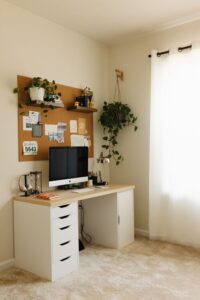
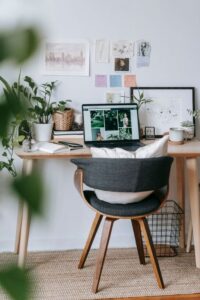
– Set Up a Dedicated Workspace: Even a small corner with your laptop and work supplies clearly marks the start and end of work hours.
– Create a Relaxation Spot: Use a comfy chair or a cushion area where you can unwind without screens or work-related items.
– Avoid Work in Relaxation Zones: Try not to eat, exercise, or relax in your work area to keep associations clear.
This simple approach reduces the feeling that work takes over your entire home.
Use Soothing Colors and Soft Lighting
Your choice of colors and lighting greatly influences mood.
– Choose Calming Colors: Soft blues, greens, or earth tones encourage relaxation and reduce stress.
– Incorporate Natural Light: Open curtains during the day to brighten spaces and improve mood.
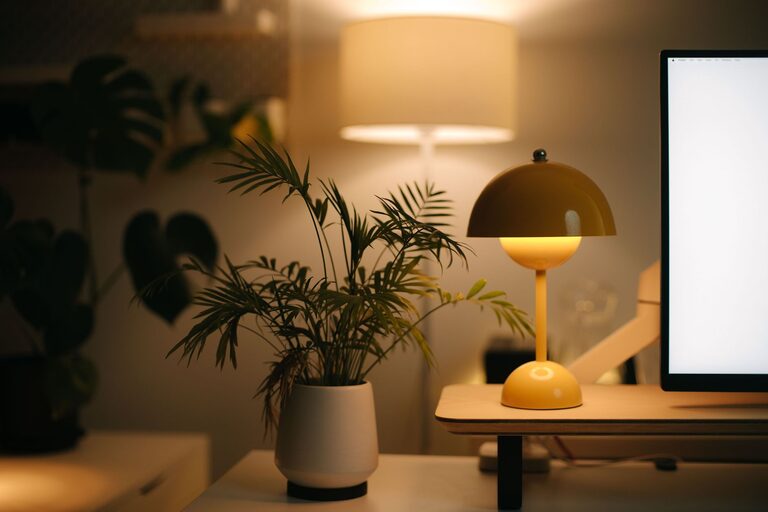
– Use Warm, Soft Lights: Avoid harsh overhead lighting. Lamps, fairy lights, or dimmable bulbs create a cozy atmosphere.
Experiment with these elements until your space feels inviting and peaceful.
Bring Nature Indoors
Adding natural elements can enhance relaxation and focus.
– Houseplants: Easy-care plants like pothos, snake plants, or succulents improve air quality and add a touch of greenery.
– Natural Materials: Use wooden furniture, stone decorations, or cotton textiles for a warm, organic feel.
– Fresh Flowers or Herbs: A small vase of fresh blooms or potted herbs creates visual interest and pleasant scents.
Interacting with nature indoors can reduce anxiety and boost well-being.
Minimize Noise and Distractions
Creating a quiet environment helps you focus and relax.
– Use Noise-Cancelling Headphones: These can reduce background sounds during work or meditation.
– Soft Background Music or White Noise: Gentle instruments, nature sounds, or white noise apps mask distracting noises.
– Set Boundaries: Let family or housemates know your work hours to reduce interruptions.
A calmer soundscape makes it easier to stay present and enjoy downtime.
Incorporate Relaxation Rituals
Small habits can reinforce a peaceful home atmosphere.
– Daily Stretching or Meditation: A short session before or after work clears your mind.
– Aromatherapy: Essential oils like lavender or chamomile create a calming scent.
– Limit Screen Time: Set specific times to step away from devices and focus on offline activities such as reading or journaling.
Routine relaxation practices help signal the transition from work to personal time and reduce stress.
Keep Your Space Fresh and Clean
Regular cleaning prevents the buildup of stress-inducing mess.
– Daily Quick Tidy: Spend five minutes putting things away each day.
– Weekly Deep Clean: Vacuum, dust, and refresh your space regularly.
– Open Windows Often: Let in fresh air to eliminate stuffiness and improve air quality.
A clean home feels lighter and more welcoming.
Personalize Your Space with Meaningful Items
Adding touches that inspire joy enhances your comfort.
– Display Photos or Art: Choose images that make you smile or feel calm.
– Incorporate Hobbies: Keep musical instruments, books, or craft supplies accessible for breaks.
– Use Comfort Items: Soft blankets, cushions, or warm slippers create a cozy vibe.
Personalization makes your home feel uniquely supportive and nurturing.
—
Final Thoughts
Creating a relaxing home environment doesn’t require a major makeover. Simple changes like decluttering, designating separate zones, choosing soothing colors, and adding natural elements can dramatically improve your daily experience. These steps help you maintain a better work-life balance and enjoy your home as a true place of rest and rejuvenation.
Try implementing a few ideas at a time and notice how your mood and productivity improve. Your home should be your sanctuary—a place where work and life flow in harmony.