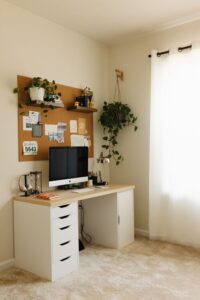
Tips for Creating a Relaxing Home Office Environment

Creating a relaxing home office environment is essential for maintaining focus, reducing stress, and boosting productivity. Whether you work from home full-time or occasionally, your workspace should feel comfortable and inviting. This post shares practical tips to help you design a calming home office that supports your well-being and helps you stay organized throughout the day.
Choose the Right Location
One of the first steps is selecting a spot in your home that lends itself to work without distractions. Ideally, this space should be:
– Quiet and away from heavy foot traffic
– Well-lit with natural light if possible
– Separate from common areas to create a mental boundary between work and home life
If space is limited, consider a corner of a less-used room or transforming a closet into a compact office. The goal is to find a place where you can comfortably focus.
Optimize Lighting for Comfort and Focus
Lighting plays a crucial role in creating a relaxing workspace. Poor lighting can lead to eye strain, headaches, and fatigue. Here are some tips:
– Use natural light as much as possible; position your desk near a window.
– Incorporate ambient lighting with desk lamps or floor lamps that provide soft, even light.
– Avoid harsh overhead fluorescents that can feel cold and tiring.
– Consider adjustable lighting options to tailor brightness based on the time of day.
Proper lighting not only enhances comfort but also improves mood and productivity.
Invest in Comfortable Furniture
Comfort is key when you spend several hours at your desk. To create a relaxing office:
– Choose an ergonomic chair with adjustable height and good lumbar support.
– Select a desk at the right height for your work, allowing your arms to rest comfortably.
– Use supportive accessories like footrests or wrist pads if needed.
Comfortable furniture reduces physical strain and keeps you feeling refreshed throughout the workday.
Keep Your Workspace Clean and Organized
Cluttered spaces can increase stress and distract from tasks. Establishing good organization habits helps maintain a calm environment:
– Use storage solutions like shelves, drawers, or file organizers to keep items tidy.
– Regularly clear papers and supplies that are no longer needed.
– Minimize decorative items to only those that bring joy or motivation.
– Use cable management tools to keep cords neat and out of sight.
A clean, organized desk makes it easier to focus and feel relaxed.
Incorporate Calming Colors and Decor
Colors and decor influence the atmosphere of your office. Aim for a soothing palette and thoughtful accents:
– Soft, neutral tones like light blues, greens, or grays can promote relaxation.
– Add plants to introduce natural elements and improve air quality.
– Display artwork or photos that inspire, but avoid overly busy or bright visuals.
– Use textured materials like cozy rugs or cushions for added comfort.
These elements create an inviting and peaceful space that supports concentration.
Manage Noise for Focus and Calm
Background noise can be distracting and stressful. Consider these approaches to reduce noise:
– Use noise-canceling headphones or play gentle instrumental music.
– Add rugs, curtains, or soft furnishings to absorb sound.
– Close doors or use white noise machines to mask disruptive sounds.
– Communicate with household members about quiet times during work hours.
Controlling noise helps maintain a serene work environment and enables better concentration.
Take Breaks and Move Regularly
Even the perfect office can’t replace the benefits of regular breaks. Incorporate movement into your day to reduce tension:
– Follow the 20-20-20 rule: Every 20 minutes, look 20 feet away for 20 seconds to rest your eyes.
– Stand up, stretch, or take short walks to improve circulation.
– Consider a standing desk or use a balance ball chair to vary your posture.
Frequent breaks help refresh your mind and body, keeping your workspace feeling relaxing through the day.
Personalize Your Space Mindfully
While personalization can make your office feel more inviting, keep it balanced:
– Display a few favorite items that bring positivity, like small plants or photos.
– Avoid overcrowding your desk with too many personal belongings.
– Use scents like essential oils or candles with calming fragrances, but be mindful of sensitivities.
Personal touches should enhance relaxation without creating distractions.
Maintain a Consistent Routine
Finally, a consistent daily routine helps your home office feel like a purposeful, relaxing space:
– Set regular work hours to create structure.
– Begin and end your day with simple rituals, like organizing your desk or journaling.
– Avoid working in your home office during personal time to maintain boundaries.
Routines signal your brain when it’s time to focus and when to unwind.
—
By following these tips, you can turn your home office into a place that supports productivity while helping you feel calm and refreshed. A relaxing workspace isn’t just about aesthetics—it’s about creating a comfortable environment that nurtures your best work and well-being. Take time to adjust and personalize these suggestions to fit your needs, and enjoy the benefits of a thoughtfully designed home office.