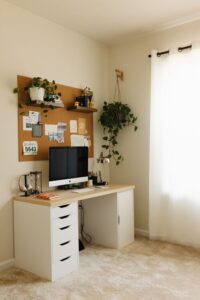
Tips for Creating a Productive Home Office Environment

Creating a productive home office environment is essential for anyone working remotely or managing tasks from home. A well-designed space can help increase focus, reduce stress, and improve quality of work. Whether you have a dedicated room or a small corner, these tips will guide you in setting up a workspace that supports your best performance.
Choose the Right Location
Selecting a suitable spot for your home office is the first step. Ideally, find a quiet area away from distractions like the TV or kitchen. A space with natural light is a bonus, as it can improve mood and energy levels throughout the day.
If you don’t have an extra room, consider a corner of your living room or bedroom where you can place a desk and chair comfortably. Try to keep this space separate from where you relax to create a mental distinction between work and leisure.
Invest in Ergonomic Furniture
Comfort is key to staying productive for long hours. An ergonomic chair and desk can help prevent back, neck, and wrist pain. Look for adjustable chairs that support your lower back and allow your feet to rest flat on the floor. Your desk height should enable your arms to rest comfortably at about a 90-degree angle when typing.
If purchasing new furniture isn’t an option, consider adding cushions or footrests to existing chairs and using laptop stands to position screens at eye level.
Organize and Declutter
A tidy workspace reduces mental clutter and distractions. Use desk organizers, shelves, or drawers to keep supplies, documents, and devices in order. Keep only the essentials on your desk, and remove unnecessary items.
Regularly clean your workspace at the end of each day to maintain order. Digital organization is also important—create folders and backup important files to minimize stress and improve efficiency.
Optimize Lighting
Besides natural light, your home office should have proper artificial lighting to avoid eye strain. Position your desk near a window if possible and use sheer curtains to diffuse harsh sunlight.
For darker hours, invest in a good desk lamp with adjustable brightness. Warm or neutral light tones are easier on your eyes compared to strong, bright white light. Position lighting to avoid glare on computer screens.
Minimize Noise and Distractions
Background noise can be disruptive when working at home. If possible, use noise-cancelling headphones or play soft instrumental music to enhance concentration.
Communicate workspace boundaries with family or housemates to minimize interruptions during work hours. Using a “Do Not Disturb” sign or closing the door can help signal when you need focus time.
Personalize Your Space
Adding personal touches can make your workspace inviting and motivating. Consider including plants, artwork, or photos that brighten your mood.
Choose colors and decor that make you feel calm and focused. Avoid cluttering the space—keep personalization subtle but meaningful.
Use Technology Wisely
Equipping your home office with reliable technology boosts productivity. A fast internet connection, updated computer, and a good-quality headset can make communication smooth.
Explore productivity tools and apps to manage tasks, schedule breaks, and organize projects. However, be mindful not to overuse devices that can lead to distractions.
Establish a Routine
Having a structured work routine helps maintain productivity. Set regular working hours and take purposeful breaks to avoid burnout.
Consider techniques like the Pomodoro Technique, where you work in focused intervals followed by short breaks. Use your workspace only for work, if possible, to strengthen the habit of concentrating when you’re in that space.
Keep Essentials Within Reach
Make sure all your frequently used supplies are easy to access. This includes pens, notebooks, chargers, or reference materials. Keeping essentials nearby reduces interruptions and helps you stay in the workflow.
Stay Connected
Working from home can sometimes feel isolating. Make an effort to stay connected with colleagues or fellow remote workers through video calls, chats, or virtual meetups. This supports collaboration and keeps motivation high.
—
By following these tips, you can create a home office environment that promotes focus, comfort, and productivity. Small adjustments can make a big difference in your workday experience and overall wellbeing. Take time to personalize your space, eliminate distractions, and nurture good habits for the best results.